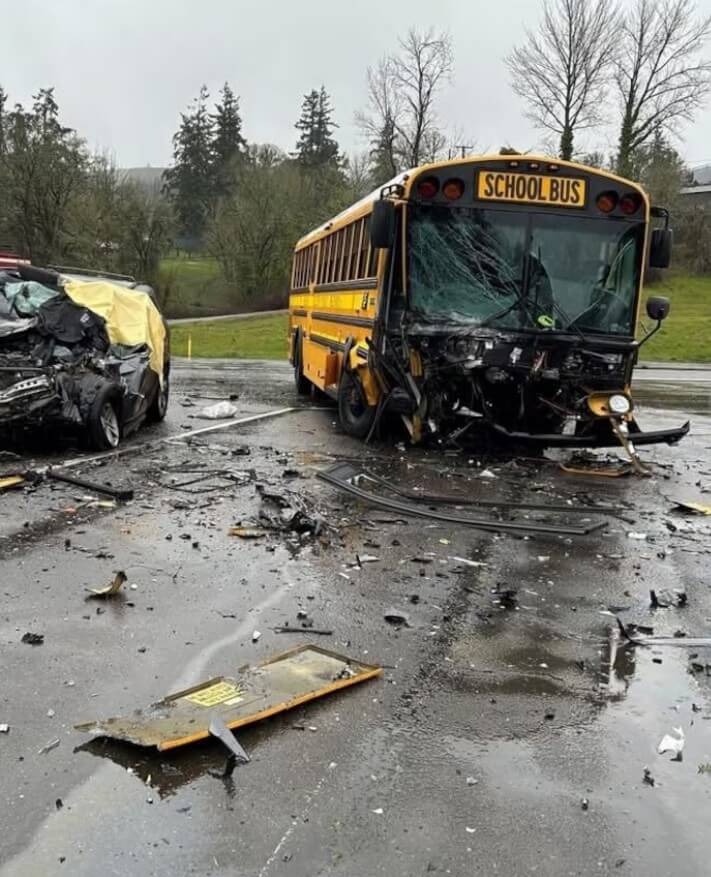
Bus drivers in Nevada are held to stricter standards than ordinary motorists. Because they transport passengers or cargo for profit, they are classified as common carriers and must exercise the highest duty of care.
Heightened Duty of Care
This duty means more than simply following traffic laws. Bus drivers are expected to take proactive measures to prevent accidents. For example, while everyday drivers must slow down during poor weather, a commercial operator may be required to go further, even stopping service until conditions improve.
On-Board Safety
The duty of care extends beyond the road. Bus drivers and companies must address hazards inside the vehicle itself. This includes handling wet or slippery floors, resolving disturbances between passengers, and ensuring boarding and exit areas are safe. Failing to take these steps can expose operators to liability when injuries occur.
Implications for Legal Claims
Because bus drivers are held to a higher standard, proving negligence in court often becomes more straightforward when that standard is not met. Establishing a breach of this duty can significantly strengthen your claim for damages.
Court King Injury Law investigates whether drivers and companies live up to these heightened responsibilities, and when they fall short, we hold them accountable.
Liability Issues in Nevada Bus Accidents
Bus drivers have a dual duty of care to other motorists and to the passengers they transport. When that duty is broken, serious liability issues arise.
Distraction and Fatigue
Bus drivers often juggle multiple responsibilities at once, from navigating traffic to assisting passengers. This multitasking increases the risk of distraction. Fatigue is another common factor, as many operators drive during early morning or late-night hours when alertness is naturally lower. Both distraction and drowsiness can significantly increase the chance of a crash.
Company Responsibility
When negligence causes a wreck, liability usually extends beyond the driver. The bus company that owns and operates the vehicle is generally financially responsible for damages. Victims may seek compensation for medical expenses, lost income, pain and suffering, and other losses.
Comparative Fault in Nevada
Insurance companies often try to shift blame onto victims. For example, if a passenger slips on a wet floor, the defense may argue that the individual should have been more careful. Nevada uses a modified comparative fault rule: if you are found 49% or less at fault, you can still recover damages, reduced by your percentage of fault. If fault reaches 51% or more, compensation may be barred.
Court King Injury Law knows how insurers use comparative fault to weaken claims. Attorney Jordan J. Butler aggressively challenges these tactics to make sure victims receive the full recovery they deserve.