
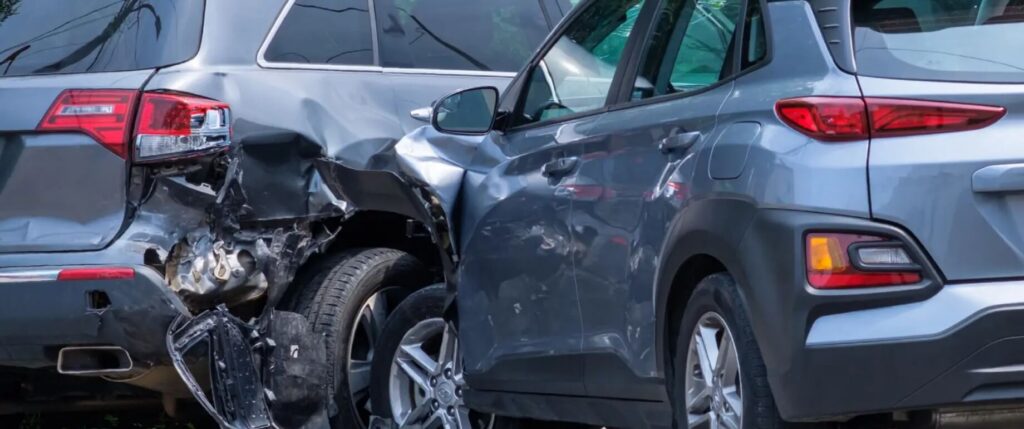
If you’ve been in a car accident in Las Vegas or anywhere else in Nevada, you’ve probably wondered who pays for what happens next. Here’s the short answer: no, Nevada is not a no-fault state. Nevada is an at-fault (tort-based) state, which means the driver who causes a crash (and their insurance company) is financially responsible for the damage they cause.
That single distinction changes almost everything about how a claim works, from which insurance company you file with to whether you can recover money for pain and suffering. Below, we break down what “at-fault” really means, what Nevada law requires, and what to do if you’re hurt in a crash.
No-Fault vs. At-Fault States: What’s the Difference?
Every state uses one of two systems to sort out who pays after a car accident:
- No-fault states (about a dozen states) require drivers to carry personal injury protection (PIP) insurance. After an accident, you file a claim with your own insurer for your medical bills, regardless of who caused the crash. Lawsuits against the other driver are only allowed once injuries cross a certain severity threshold set by state law.
- At-fault (tort) states, like Nevada, put financial responsibility on whoever caused the accident. The injured person can file a claim directly against the at-fault driver’s liability insurance and, if a fair settlement isn’t offered, can file a personal injury lawsuit against them.
Nevada falls firmly into the second category, along with most of the country.
Nevada Is an At-Fault State
In Nevada, the driver responsible for causing a collision is legally required to pay for the resulting property damage, medical bills, lost wages, and pain and suffering. As the injured party, you have the right to file a third-party claim directly against the at-fault driver’s auto insurance policy. There’s no minimum injury threshold you have to clear first, unlike in no-fault states.
This applies whether the crash happened on the Strip, in Henderson, Summerlin, or anywhere else in the state. Nevada’s fault-based rule is statewide, not just a Las Vegas thing.
Nevada’s Minimum Car Insurance Requirements
Because Nevada is a fault-based state, the law requires every driver to carry liability insurance that can cover the people they might injure. Under NRS 485.185, Nevada drivers must carry at least:
- $25,000 per person in bodily injury liability coverage
- $50,000 per accident in bodily injury liability coverage
- $20,000 per accident in property damage liability coverage
This is commonly written as “25/50/20” coverage. These are only the minimums. Many drivers carry higher limits, and insurers are required to offer uninsured/underinsured motorist (UM/UIM) coverage as well, which can help if the at-fault driver doesn’t have enough insurance (or any at all) to cover your losses. You can also purchase optional first-party coverage, like collision, comprehensive, or medical payments (MedPay) insurance, but none of these are required the way liability coverage is.
How Does a Car Accident Claim Work in Nevada?
Because Nevada doesn’t use a no-fault system, the claims process centers on proving who caused the crash. Generally, it works like this:
- The accident is reported. You or the other driver contacts the relevant insurance company to open a claim.
- An adjuster investigates. The insurer assigns a claims adjuster to review the police report, property damage, medical records, and witness statements to determine fault.
- Fault is determined. If the investigation supports that their policyholder caused the crash, the insurer may offer a settlement. If they dispute fault, they may deny or undervalue the claim.
- You negotiate or litigate. If the offer doesn’t reflect the true value of your damages, you can negotiate further or, if necessary, file a lawsuit within Nevada’s statute of limitations.
Because the insurance company’s goal is to pay as little as possible, many injured drivers work with a car accident lawyer to handle negotiations and make sure the claim accounts for the full extent of their injuries.
Nevada’s Modified Comparative Negligence Law
Fault isn’t always black and white. Sometimes more than one driver shares responsibility for a crash. Nevada handles this through its modified comparative negligence rule, found in NRS § 41.141.
Here’s how it works:
- You can still recover compensation as long as you’re 50% or less at fault for the accident.
- Your compensation is reduced by your percentage of fault. For example, if you’re found 20% at fault and your damages total $100,000, you’d recover $80,000.
- If you’re found more than 50% at fault, Nevada law bars you from recovering any compensation at all.
This makes it important to gather strong evidence early such as photos, witness contact information, and a police report. All of this can help establish that the other driver was primarily responsible.
What to Do After a Car Accident in Nevada
Because proving fault is central to any Nevada claim, what you do in the minutes and days after a crash matters. Consider taking these steps:
- Call the police and get an official accident report.
- Take photos of the vehicles, the scene, and any visible injuries.
- Exchange contact and insurance information with the other driver.
- Get contact information from any witnesses.
- Seek medical attention, even if you feel fine some injuries take time to appear.
- Avoid giving a recorded statement to the other driver’s insurance company before speaking with an attorney.
Do You Need a Lawyer After a Nevada Car Accident?
Since fault and negligence drive every claim in Nevada, having an attorney on your side can make a real difference, especially when the insurance company is looking for reasons to shift blame or minimize your payout. An experienced personal injury attorney in Las Vegas can help gather evidence, deal with insurance adjusters, calculate the full value of your claim (including pain and suffering), and negotiate or litigate for fair compensation.
Talk to a Nevada Car Accident Attorney
Nevada’s at-fault system gives injured drivers the right to pursue full compensation from the person who caused their crash, but insurance companies rarely make that easy. If you’ve been hurt in an accident anywhere in Nevada, contact Court King Law today for a free consultation to discuss your case and your options.