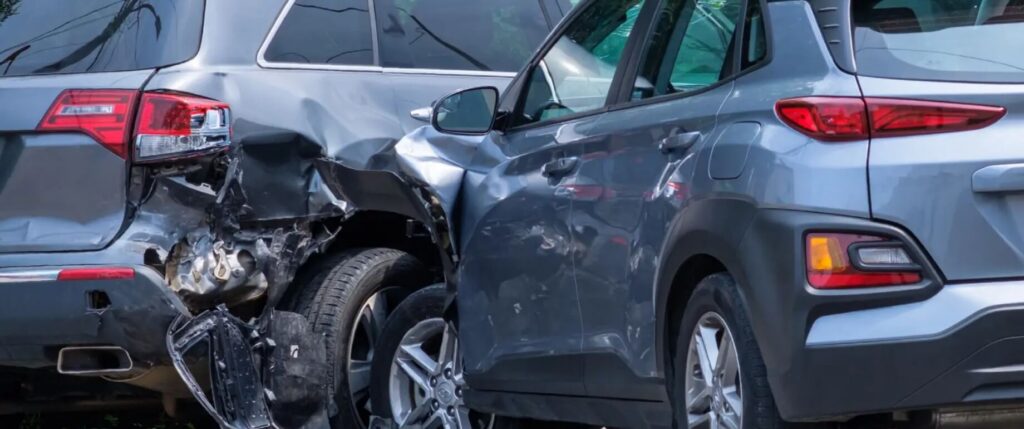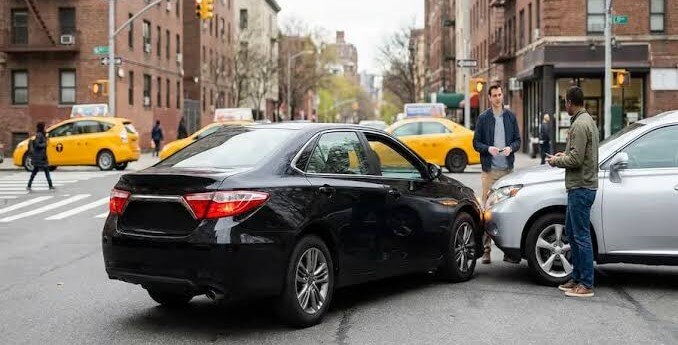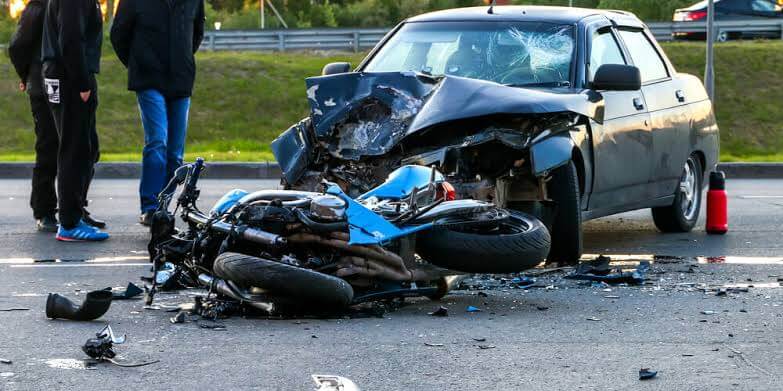
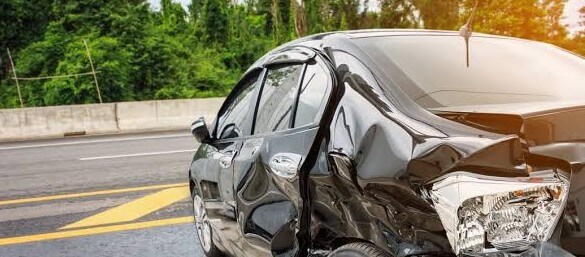
A hit-and-run crash leaves victims with two injuries: the physical harm from the collision and the frustration of not knowing who caused it. Many people assume that if the driver isn’t caught that night, they never will be. That isn’t always true. Las Vegas Metropolitan Police, the Nevada Highway Patrol, and other local agencies regularly identify fleeing drivers days, weeks, or even months after a crash. They use surveillance footage, license plate readers, vehicle debris, body shop records, and tips from the public.
If the driver who hit you is eventually found, your case can change significantly, and usually for the better. But the change is not automatic. How much you benefit depends on the steps you took while the driver was unknown and on how quickly you act once a name surfaces.
Here is what Nevada hit-and-run victims should understand.
Your Case While the Driver Is Still Unknown
When no one knows who caused the crash, the claim usually runs through your own auto policy. Nevada law requires insurers to offer uninsured and underinsured motorist (UM/UIM) coverage in amounts equal to your bodily injury liability limits. You can only decline that coverage in writing. Nevada law treats an unidentified hit-and-run vehicle as an uninsured vehicle, so your UM coverage can pay for medical bills, lost wages, and pain and suffering, up to your policy limits.
There are two important conditions. Under NRS 690B.020, UM coverage for an unidentified driver generally applies only when:
- There was physical contact. The injury resulted from physical contact between the hit-and-run vehicle and you, or the vehicle you were in.
- The crash was reported to police on time. You, or someone acting for you, reported the crash within the time Nevada law requires. The report goes to the city police department, the county sheriff, or the Nevada Highway Patrol, depending on where the crash happened.
These requirements are one more reason to call the police right away after any hit-and-run.
Some victims have other sources available as well, such as medical payments (MedPay) coverage and health insurance. If the driver turns out to have been impaired, you may also be able to apply to Nevada’s Victims of Crime Program. That program pays only after other sources are used, and it generally must be repaid from any later settlement or verdict.
Even though it’s your own insurance company, a UM claim is not a friendly process. Your insurer steps into the shoes of the missing driver and has every financial reason to limit what it pays. That’s one reason many victims work with a Las Vegas hit and run accident lawyer from the start.
What Changes When Police Identify the Driver
Once the at-fault driver has a name, your case gains something it didn’t have before: a defendant. That opens several new doors at once.
A liability insurer may now be responsible. If the driver carried insurance, you can bring a claim against their bodily injury liability coverage. Nevada’s minimum liability limits under NRS 485.185 are $25,000 per person and $50,000 per accident for bodily injury. Some drivers carry much more.
Your UM coverage may become UIM coverage. Many drivers carry only the state minimum or no insurance at all. If the driver’s coverage isn’t enough to pay for your injuries, your own underinsured motorist coverage can make up the difference, up to your limits. If the driver turns out to be uninsured, your UM claim simply continues.
The driver can be sued personally. A civil judgment against the driver can reach their personal assets. Whether that makes practical sense depends on the driver’s finances, and a careful attorney looks into that before recommending a lawsuit.
Other responsible parties may appear. Identifying the driver sometimes shows they were on the job, driving a company vehicle, or driving a car someone carelessly lent them. An employer can be responsible for an employee’s negligence during work, and a vehicle owner may be liable for negligent entrustment. Commercial policies often carry far higher limits than personal auto policies.
The Insurance Shuffle: Reimbursement and Consent-to-Settle Clauses
If your insurer has already paid you, identifying the driver raises a new question: who ultimately pays? In Nevada, the answer depends on which coverage paid you.
If you were paid under your uninsured motorist (UM) coverage, Nevada law preserves your insurer’s right to seek reimbursement from the at-fault driver once identified. Your insurer may also claim part of any later recovery you receive from that driver. These reimbursement claims can often be negotiated down, and they should be handled carefully before any settlement money is distributed.
If you are paid under your underinsured motorist (UIM) coverage, the rules are different. Under NRS 687B.145, an insurer that pays UIM benefits generally cannot pursue subrogation against the underinsured driver for damages above that driver’s liability limits.
There is also a common trap. Most auto policies include a consent-to-settle provision. If you settle with the at-fault driver’s insurer and sign a release without first notifying your own insurer, you may put your right to underinsured motorist benefits at risk. Before you accept any settlement from a newly identified driver’s insurer, make sure you understand how it affects your own coverage.
Can Your Compensation Increase?
Often, yes. While the driver is unknown, your recovery is typically capped by the UM limits you purchased. Once a real defendant exists, you may be able to draw on the driver’s liability coverage, your UIM coverage, any employer or commercial policies, and the driver’s personal assets.
Compensation in a Nevada injury claim can include:
- Past and future medical expenses
- Lost wages and loss of future earning capacity
- Pain, suffering, and emotional distress
- Loss of enjoyment of life
- Vehicle and property damage
What About Punitive Damages?
Under NRS 42.005, Nevada allows punitive damages only when a plaintiff proves by clear and convincing evidence that the defendant acted with oppression, fraud, or malice. Not every hit-and-run will qualify. Fleeing happens after the crash, and courts look closely at how the driver’s conduct connects to your harm.
Impaired driving is a different story. Many drivers flee because they were drunk or high. NRS 42.010 specifically allows punitive damages against a driver who causes injury after willfully consuming alcohol or another substance. The standard punitive damages caps in NRS 42.005 do not apply to claims under that statute.
The Criminal Case and Your Civil Case Run on Separate Tracks
Leaving the scene of a crash that causes injury or death is a serious crime in Nevada. Under NRS 484E.010, a driver involved in a crash that injures or kills someone must stop immediately and remain at the scene until they have met their duties under NRS 484E.030. Those duties include giving their information and rendering reasonable aid.
A driver who flees commits a category B felony punishable by 2 to 20 years in prison and a fine of $2,000 to $5,000. Probation is not available. Each person injured or killed counts as a separate offense.
When the driver is charged, the criminal case and your civil injury claim move forward separately:
- Who controls each case: Prosecutors control the criminal case. You control your civil claim.
- A conviction isn’t required for you to recover. Civil cases use the “preponderance of the evidence” standard, which is much lower than proof beyond a reasonable doubt. You can win compensation even if charges are reduced or dropped.
- The criminal case can help your civil case. Police reports, forensic evidence, witness statements, and any guilty plea can become strong evidence in your injury claim.
- Restitution rarely makes you whole. A criminal court can order restitution, but it rarely covers the full value of a serious injury, including pain and suffering.
- You have constitutional rights as a crime victim. Nevada’s Marsy’s Law (Article 1, Section 8A of the Nevada Constitution) gives victims rights that include being informed about proceedings, being heard in court, and full and timely restitution.
Don’t Let the Search Run Out Your Clock
This is one of the most important points for Nevada hit-and-run victims. The statute of limitations does not wait for police to find the driver.
Under NRS 11.190, most Nevada personal injury claims must be filed within two years of the injury. Property damage claims generally have three years. These deadlines keep running while the investigation continues.
Nevada procedure offers a way to protect yourself. A lawsuit can be filed before the deadline naming unknown “Doe” defendants. Under the Nevada Supreme Court’s decision in Nurenberger Hercules-Werke v. Virostek, 107 Nev. 873 (1991), the driver’s true identity can later be substituted, and the claim can relate back to the original filing date. This only works if the complaint is properly drafted, you use reasonable diligence to identify the driver, and you move promptly to amend once you learn who it is. Waiting passively and hoping for good news is not enough.
Your insurance policy may also have its own notice requirements, and the UM police-reporting rule described above has its own timing requirements.
How to Protect Your Case While the Driver Is Missing
The victims who benefit most when a driver is identified are usually the ones who prepared during the waiting period. Steps that help include:
- Report the crash to police right away, and get a copy of the report and the event number.
- Notify your insurer promptly and in writing, and keep proof that you did.
- Preserve evidence. Keep photos, damaged parts, debris, and witness names. Ask nearby businesses and homeowners to save camera footage before it’s overwritten.
- Follow up with the investigating agency periodically for updates.
- Keep every medical record, bill, and pay stub related to the crash.
- Avoid giving recorded statements to any insurance company until you’ve spoken with an attorney.
- Mark your filing deadline on the calendar the day the crash happens.
Frequently Asked Questions
What if the driver is found but has no insurance?
Your uninsured motorist coverage generally continues to apply. You may also sue the driver personally, though collecting depends on their assets and income.
Do I have to give back the UM benefits I already received?
Generally, the benefits you received are yours to keep. However, when your insurer paid under UM coverage, Nevada law preserves its right to seek reimbursement from the at-fault driver. It may also assert a claim against any later recovery you receive from that driver. An attorney can often negotiate those claims down.
What if the driver was in a stolen car?
A vehicle’s owner is usually not responsible for a thief’s driving, so your UM coverage may remain the main source of recovery. The thief can still be held personally liable.
What if the driver is identified years later?
Your options depend on whether your claim was preserved. If you filed a timely lawsuit naming Doe defendants and stayed diligent, identification can open new recovery sources. If the deadline passed or you signed a full release, reopening the case becomes much harder.
Talk to a Las Vegas Hit-and-Run Lawyer
When a hit-and-run driver is finally identified, the insurance companies move quickly to protect their own interests. You should have someone moving just as quickly to protect yours.
At Court King Injury Law, attorney Jordan J. Butler helps Nevada hit-and-run victims pursue every available source of compensation, both while the driver is unknown and after a name comes to light. We coordinate UM/UIM claims, handle reimbursement and lien negotiations, track the criminal case, and build the civil case for full recovery. You pay nothing unless we win.
Learn more on our Las Vegas Hit and Run Accident Lawyer page, or call (702) 702-7575 for a free consultation. Se habla español.